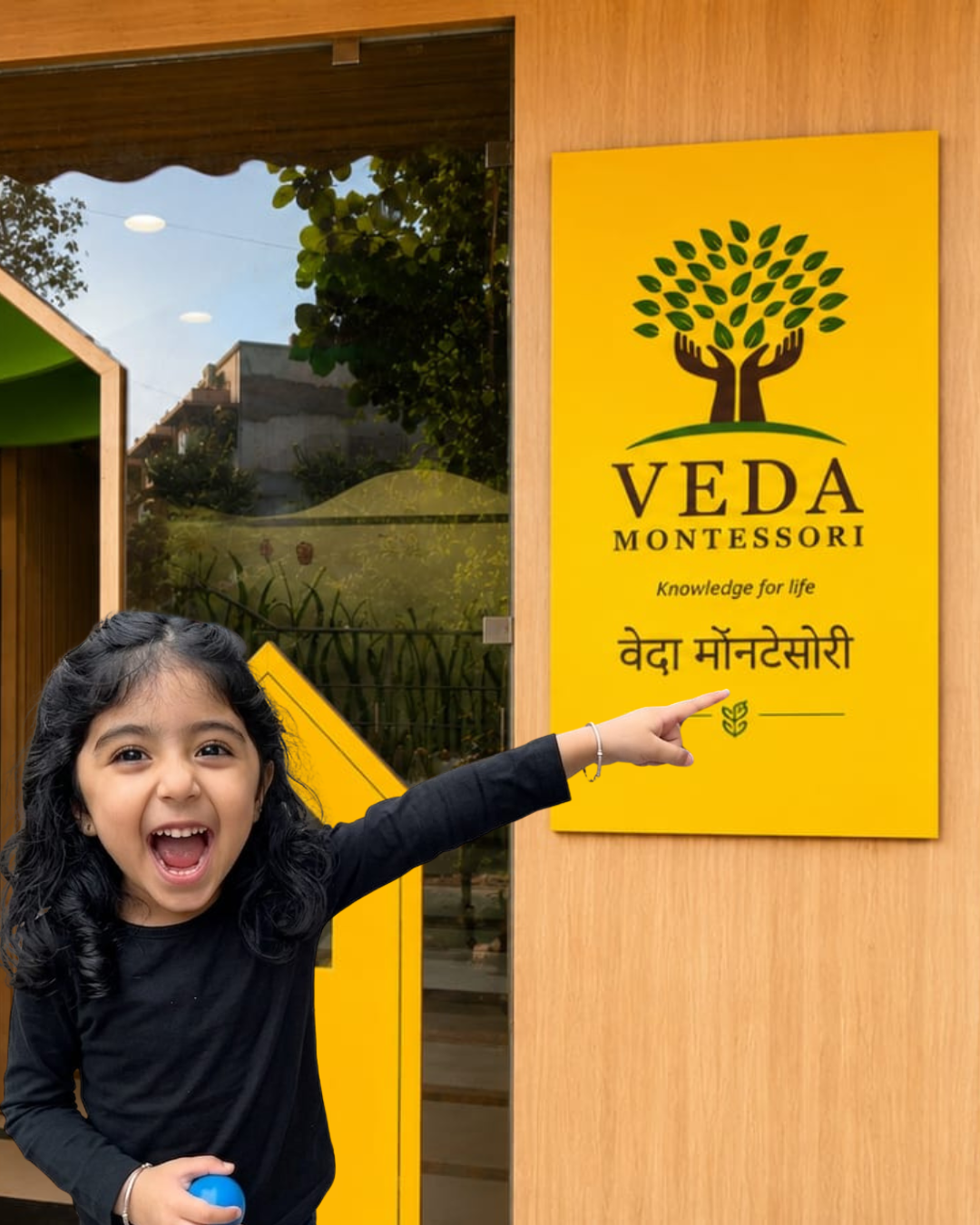
At Veda Montessori, children learn in a warm, nurturing, and authentic Montessori environment designed to support their physical, social, emotional, and intellectual development. With a strong focus on “Knowledge for Life,” the school encourages independence, curiosity, critical thinking, and a lifelong love for learning through carefully planned, hands-on experiences. Located in the heart of Juhu, Veda Montessori offers a welcoming environment where children thrive.
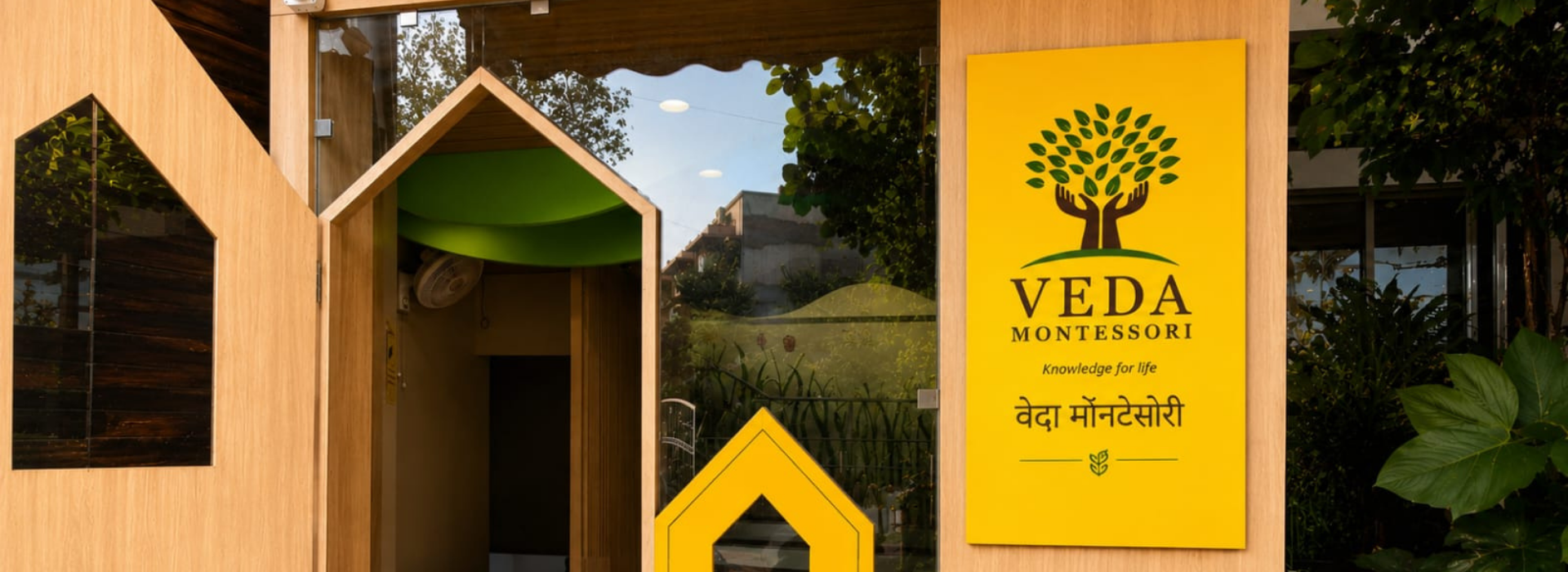

At Veda Montessori, children learn in a warm, nurturing, and authentic Montessori environment designed to support their physical, social, emotional, and intellectual development. With a strong focus on “Knowledge for Life,” the school encourages independence, curiosity, critical thinking, and a lifelong love for learning through carefully planned, hands-on experiences. Located in the heart of Juhu, Veda Montessori offers a welcoming environment where children thrive.
Montessori vs Traditional Approaches
School adapts to meet the unique learning needs of every student.
Students are generally expected to adapt to the school's established system.
Curriculum is carefully structured and personalised according to each child's pace.
Curriculum is designed and delivered uniformly for the entire class.
Children are encouraged to communicate, collaborate and work together in groups.
Children typically work independently and remain seated at their desks.
Strong emphasis on cognitive, social, emotional and moral development skills.
Greater emphasis is placed primarily on social development and interaction.
Children benefit from long, uninterrupted work cycles that encourage deep focus.
Learning follows fixed block periods with scheduled lessons and transitions.
The teacher acts as a guide and facilitator throughout the learning journey.
The teacher primarily leads instruction through lectures and direct classroom teaching.
Montessori Approaches
School adapts to meet the unique learning needs of every student.
Curriculum is carefully structured and personalised according to each child's pace.
Children are encouraged to communicate, collaborate and work together in groups.
Strong emphasis on cognitive, social, emotional and moral development skills.
Children benefit from long, uninterrupted work cycles that encourage deep focus.
The teacher acts as a guide and facilitator throughout the learning journey.
Traditional Approaches
Students are generally expected to adapt to the school's established system.
Curriculum is designed and delivered uniformly for the entire class.
Children typically work independently and remain seated at their desks.
Greater emphasis is placed primarily on social development and interaction.
Learning follows fixed block periods with scheduled lessons and transitions.
The teacher primarily leads instruction through lectures and direct classroom teaching.